
Sustainable Aviation Fuel (SAF)
Reduce emissions from business travel and transportation
- Type of credit
- Reduction certificate (SAFc)
- Scope 3 categories
- Business travel (6), upstream transportation and distribution (4)
- Frameworks
- GHG Protocol, WEF/RMI, SABA, CORSIA, SBTi interim guidance
- Reduction
- Up to 80% lower life-cycle emissions than conventional jet fuel
The only recognised way to cut the footprint of flying
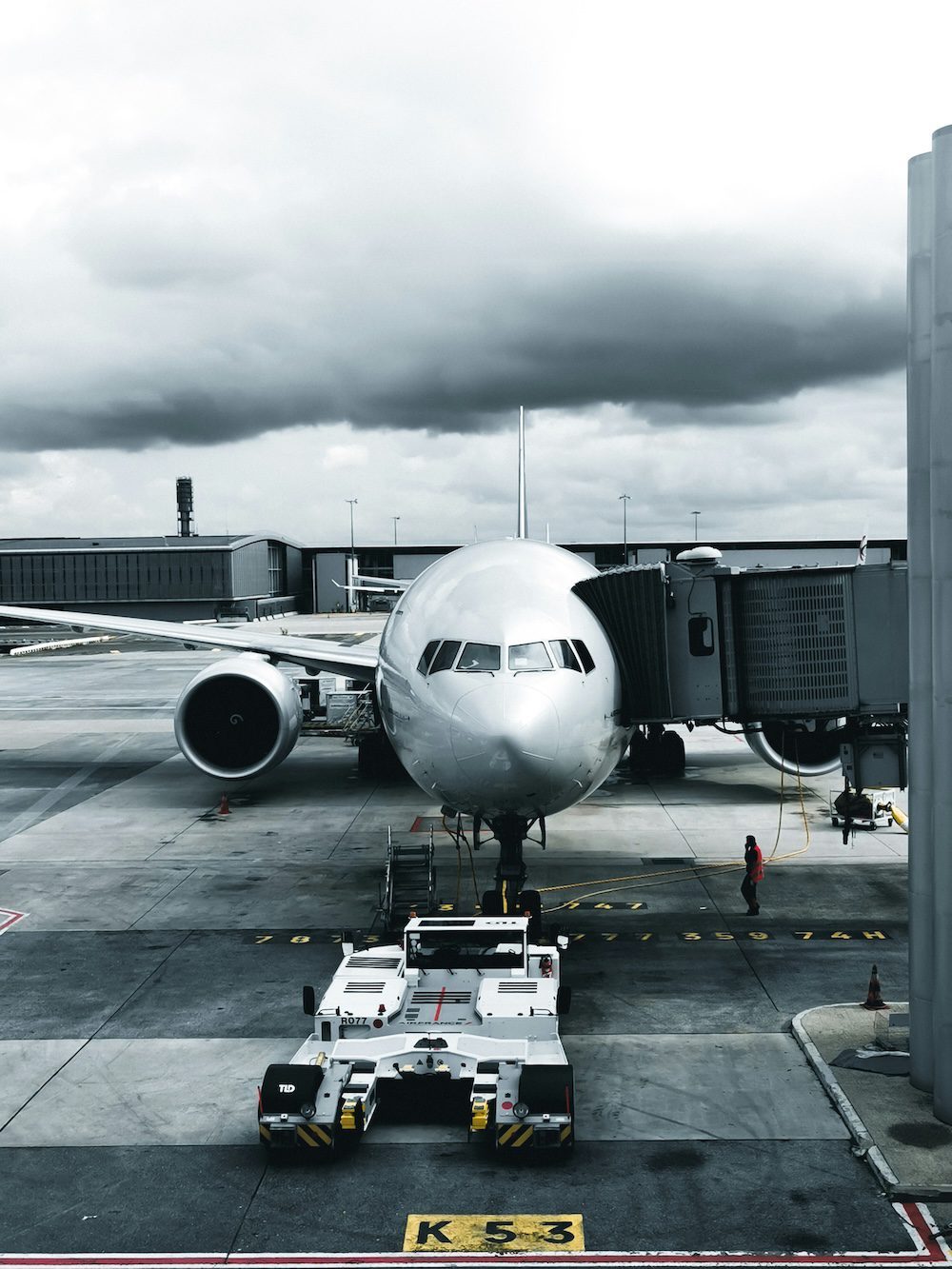
Aside from travelling less, SAF is currently the only recognised way to reduce the climate footprint of air travel. Sustainable Aviation Fuel is a fossil-free aviation fuel made from renewable or waste-based feedstocks, such as used cooking oil, agricultural residues or carbon captured from the air.
When SAF replaces conventional jet fuel, it can reduce greenhouse gas emissions by up to 80% over the fuel's life cycle - without requiring new aircraft engines or changes to existing infrastructure.
Reduce Scope 3 with SAF
Air travel, particularly business travel, often represents a significant share of a company's Scope 3 emissions. By investing in SAF, organisations also help scale the production of sustainable aviation fuel, which is essential for enabling the aviation industry to transition.
- Directly reduce flight-related emissions
- Meet increasing CSRD requirements and align with Science Based Targets
- Demonstrate concrete climate action to customers, employees and investors
Acknowledged by the Science Based Targets initiative
Several standards acknowledge SAFc as a valid method to reduce emissions, including the GHG Protocol, the World Economic Forum and the Science Based Targets initiative. SAF certificates are designed to align with SBTi interim guidance and the GHG Protocol for Scope 3 emissions from business travel, following the WEF/RMI accounting framework for SAFc, SABA's criteria and CORSIA's lifecycle methodologies.
Companies such as Microsoft, Google, Boston Consulting Group and Deloitte already use SAFc to reduce their aviation-related emissions. Note that the SBTi's final guidance for SAFc is expected in 2026; this solution is based on recognised interim standards.
How SAFc works
SAFc are certificates linked to the climate benefit of Sustainable Aviation Fuel, accounted for separately (book-and-claim) from the physical fuel itself. Organisations can purchase SAFc to reduce Scope 3 emissions from business travel and transportation, even if no physical SAF was used on their own flights.
The climate benefit is calculated relative to conventional jet fuel on a life-cycle (well-to-wake) basis, and the emissions difference is the amount of CO2e that can be deducted from reported Scope 3 emissions. The reduction is reported using the dual reporting approach recommended by WEF/SABA: both gross Scope 3 emissions and net emissions after the SAFc deduction are shown.
See webinar about the project
Frequently asked questions
What is SAFc and how does it work?
SAFc are certificates linked to the climate benefit of Sustainable Aviation Fuel, accounted for separately ('book-and-claim') from the physical fuel itself.
Organisations can purchase SAFc to reduce their Scope 3 emissions from, for example, business travel and transportation, even if no physical SAF has been used in their own or their employees' flights.
The climate benefit is calculated relative to conventional jet fuel on a life-cycle ('well-to-wake') basis - and the emissions difference represents the amount of CO2e that can be deducted from the organisation's reported Scope 3 emissions.
Application in Scope 3 reporting
The reduction is accounted for as an emissions decrease in Scope 3 category 6 (business travel) or category 4 (upstream freight).
It is reported using the 'dual reporting' approach recommended by WEF/SABA: both gross Scope 3 emissions and net emissions after the SAFc deduction are shown in the climate disclosures.
Distance- or fuel-based calculation methods, as outlined in the GHG Protocol guidance, are primarily used.
Which global standards recognise SAFc?
SBTi recognises SAFc as a valid method for reducing Scope 3 emissions linked to air travel and transportation.
Several global standards acknowledge and integrate SAFc, including the Science Based Targets initiative (SBTi), the GHG Protocol, ICAO CORSIA, the Roundtable for Sustainable Biomaterials (RSB), the Sustainable Aviation Buyers Alliance (SABA) and the World Economic Forum (WEF).
SAFc are physical value-chain insets that address Scope 3 emissions from business aviation in line with the SBTi's current interim recommendations.
They meet requirements for lifecycle analysis (well-to-wake), sustainability certification (ISCC/RSB) and transparent accounting, following the interim methodologies from WEF/RMI and SABA - with full transparency of the methodology until the SBTi releases its complete SAF standard.
More projects

Want to know more about this project?
We help you build a credible portfolio that fits your climate strategy - independent, high-integrity and fully documented.