Biochar in India

Biochar is a long-term carbon sink to mitigate climate change while improving soil fertility, retaining water, and supporting beneficial microbial life

Global goals

Certification

Project ID

Verra ID: 4679

Type of credit

  • Carbon removal
  • Nature-based

Biochar as a durable removal

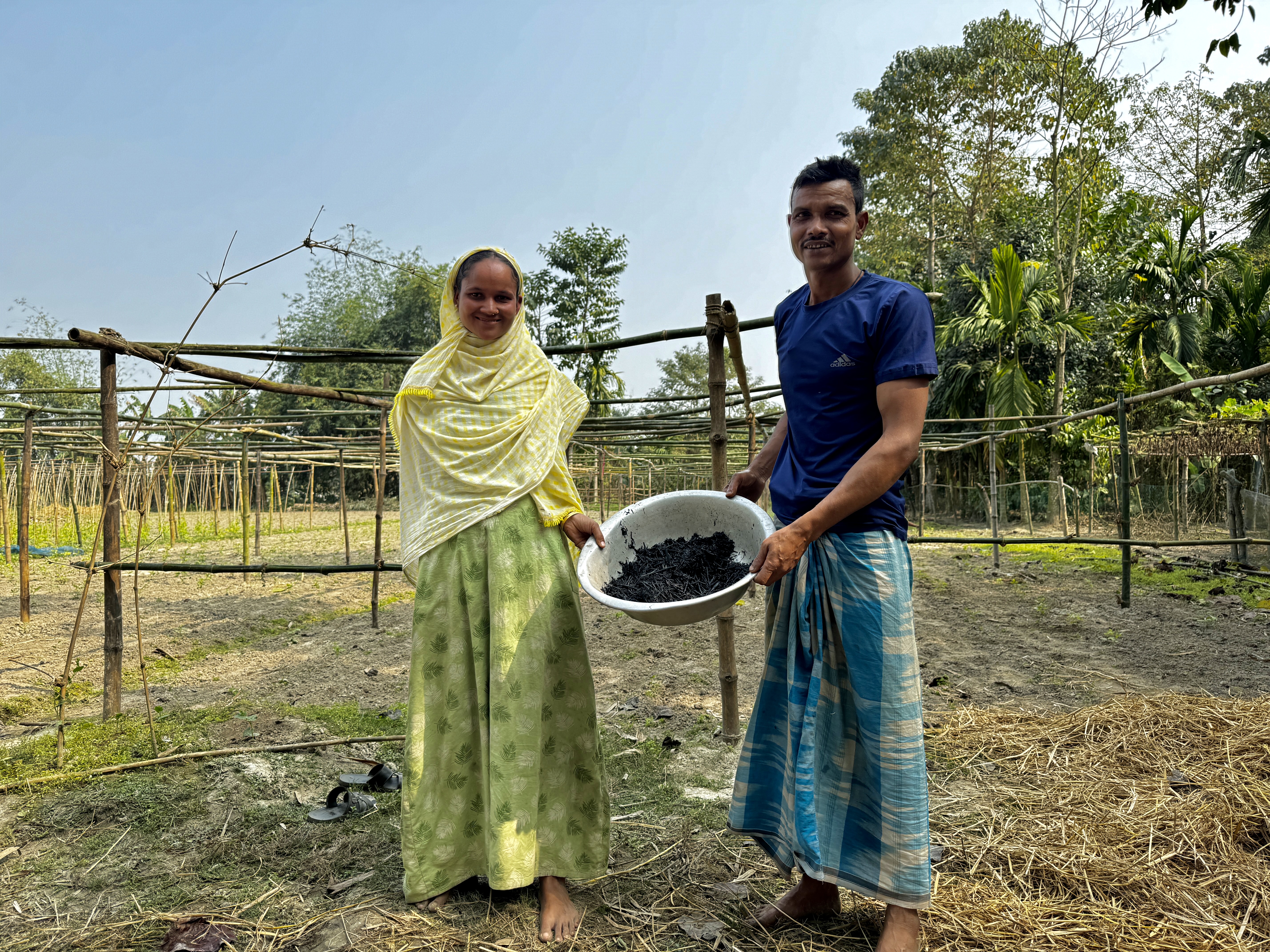
Biochar is an inert carbonized material, that is a stable carbon sink for over a thousand years! Besides being a direct carbon sink, biochar offers great beneficial characteristics in tropical agriculture. It stores nutrients which increasing crop yields, it increases the water holding capacity which helps in climate adaptivity and it houses microorganisms which raises the organic carbon content of degraded soils.

This is a grouped project in India. The first instance of the grouped project is being implemented with 5,000 farmers (defined as biochar producers in the project) in the state of Odisha, India.

The project has a crediting period of 7 years, renewable twice. The first instance of this grouped project is expected to remove an estimated 110,760 tCO2e annually, leading to the removal of estimated 775,320 tCO2e over the first crediting period of 7 years.

Several dual benefits

  • Carbon credit finance increases farmers’ average income by 23% to 80%.
  • Over 51% of the jobs created through our projects are filled by women.
  • After applying biochar and manure, crop yields rise by 19% to 40%
  • Dependency on chemical fertilizers decreases by 20% to 50%,
  • Soil nutrient retention improves by 15% to 25% and water-holding capacity grows by 10% to 20%

These are more than just statistics. They translate directly into progress on the Sustainable Development Goals and real change in people’s lives. Through investing in these types of carbon credits farmers are able to grow tomatoes on previously depleted, dry land on which farming was close to impossible before biochar application. With the income from climate finance, they often invest in machinery for their farms to expand their businesses.
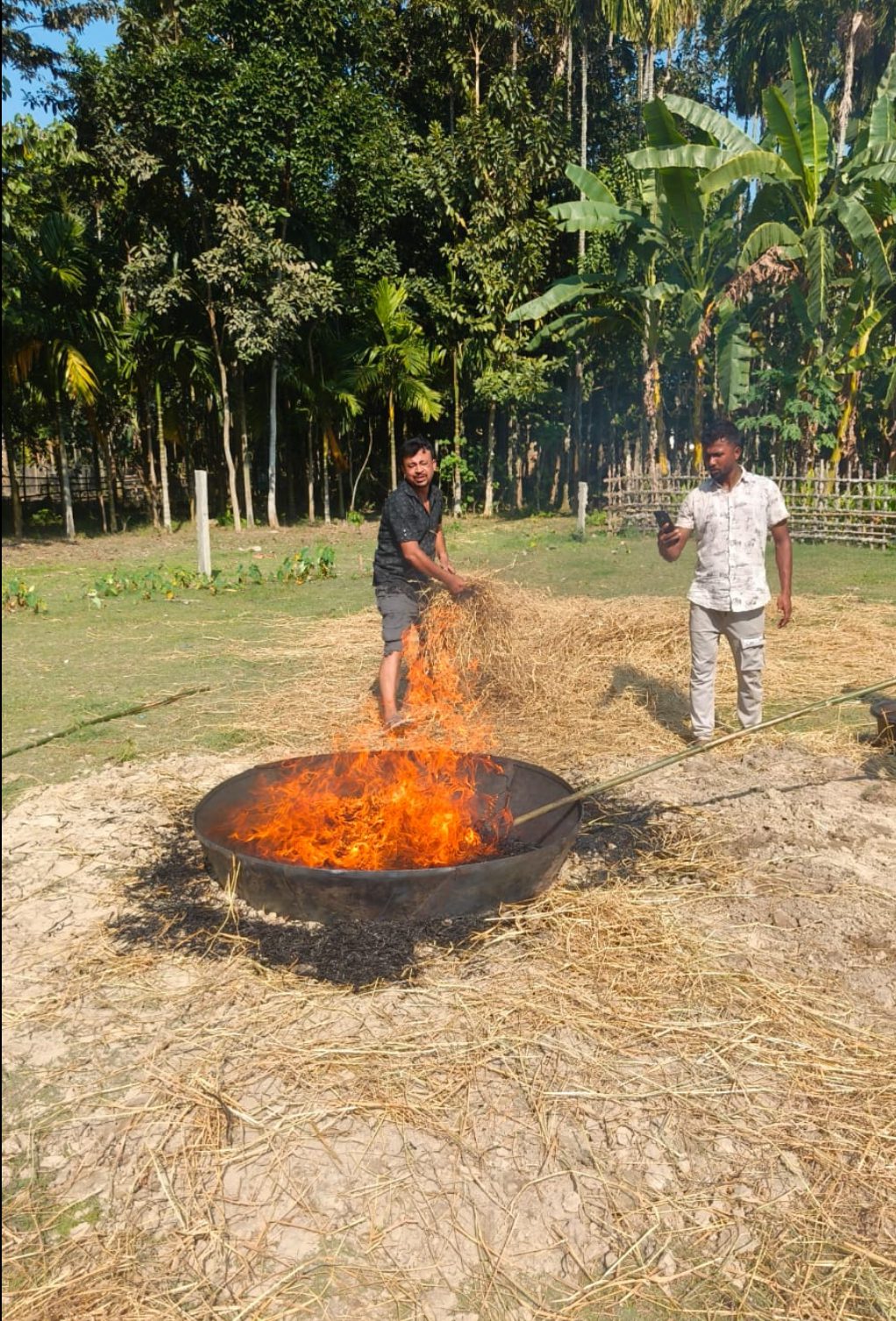
Biochar is produced with a pyrolysis method

Farmers use the flame curtain pyrolysis method in steel-shield soil pits to process agricultural waste into biochar. The fire on top creates a ‘flame curtain’ that limits oxygen access to the biomass below. This initiates the pyrolysis process, producing high-quality biochar.

Once the pit is full, the fire is extinguished using water, nutrient solutions, or soil. The dried biochar is then mixed with manure and applied deep into the soil (more than 10 cm subsurface).

This project is developed by Carboneers

Carboneers empowers smallholder farmers by providing investments, advanced technology, and education to transform agricultural biomass waste into biochar. They have projects in a variety of locations, please contact us for more information about more locations.

Do you want to know more about this project?

Book a meeting with our climate experts to get more information. We will also discuss:

Your climate goals
We discuss your specific needs and strategy

An overview of our climate project portfolio
You will get an introduction over our portfolio consisting of both carbon removal and carbon avoidance projects

A tailored suggestion
Based on your needs our climate experts will provide you with a tailored suggestion of what projects to invest in

Get informed, stay ahead

You’re about to subscribe to our newsletter. You’ll receive the latest news, exclusive insights, and expert updates, all delivered straight to your inbox.